LECA Concrete
What is Lightweight Concrete?
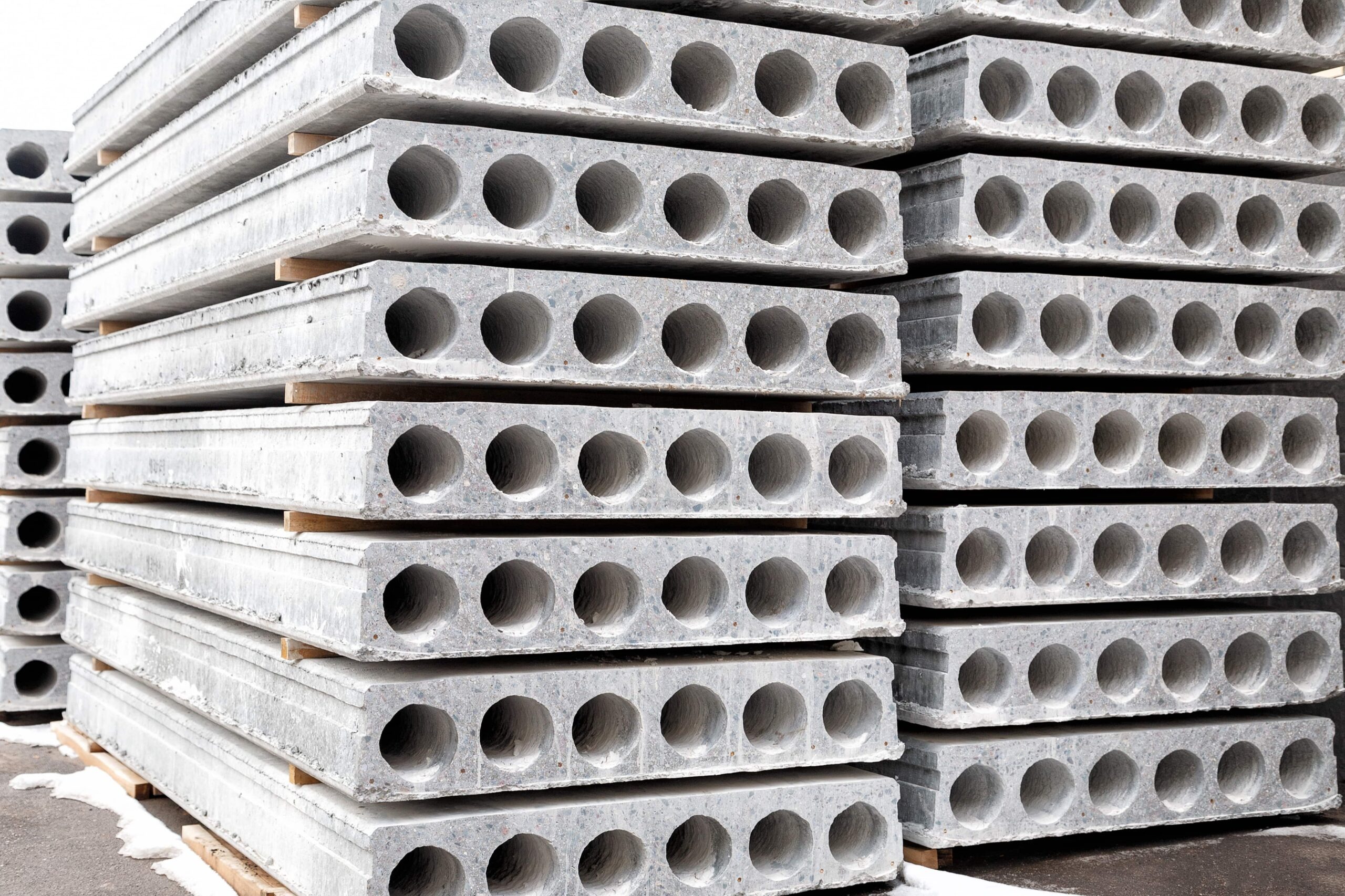
Lightweight concrete is defined by both ASTM and EN standards as a type of concrete that has an in-place density of less than 2000 kg/m³ (125 lb/ft³). This unique property arises from the incorporation of lightweight aggregates, such as expanded clay which reduce the overall density without compromising strength.
LECA Concrete: A Range of Options
Non-Structural:
700 kg/m³ at 3 MPa
1000 kg/m³ at 5 MPa
1200 kg/m³ at 15 MPa
Structural:
1400 kg/m³ at 25 MPa
1600 kg/m³ at 35 MPa
1800 kg/m³ at 45 MPa
Types of Lightweight Concrete
Structural Lightweight Concrete
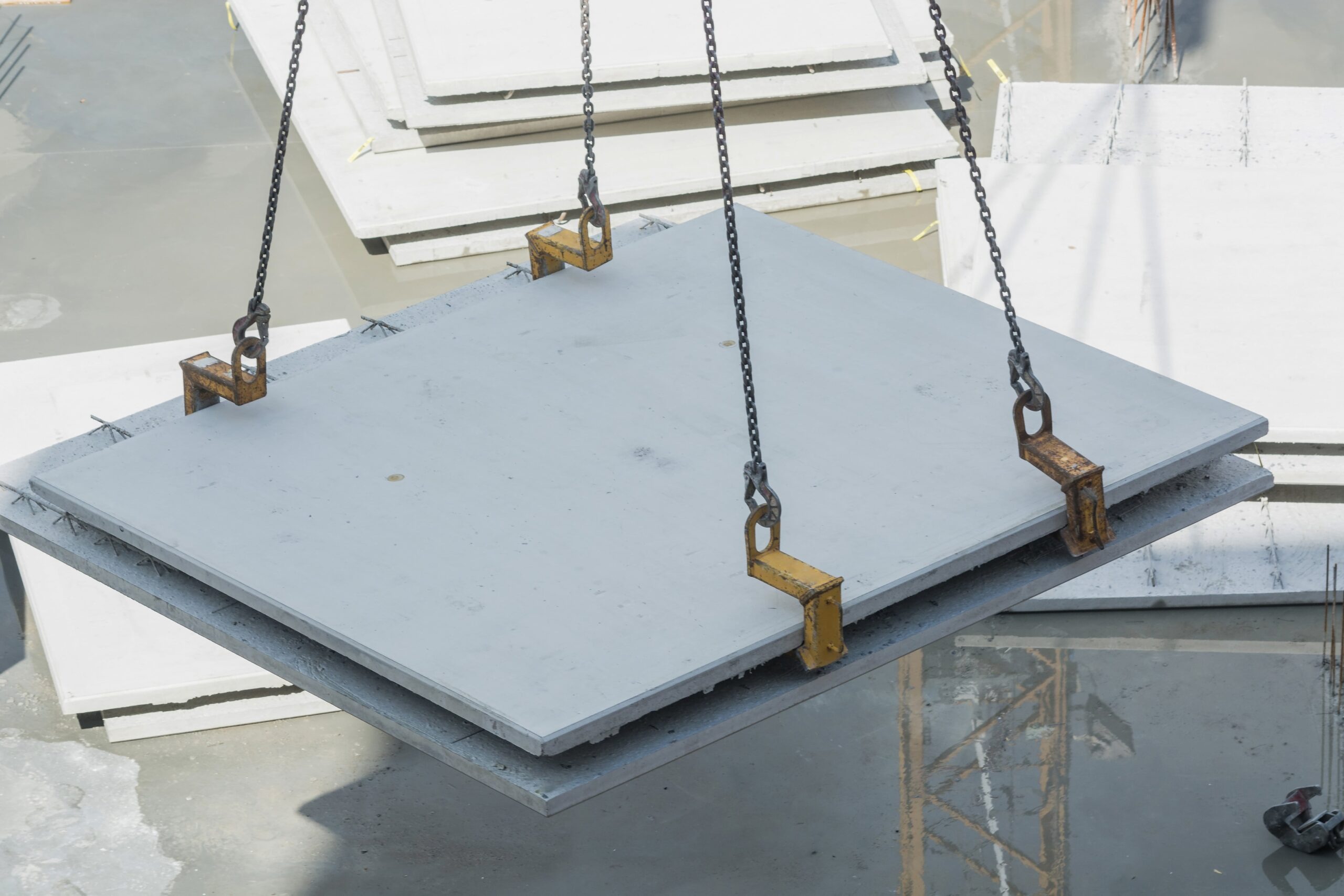
This type adheres to specific performance criteria, maintaining adequate compressive strength while being significantly lighter than traditional concrete. Structural lightweight concrete is particularly beneficial where weight reduction is essential without sacrificing the integrity of the structure.
Applications of Lightweight Structural Concrete
- Metal Decks
- Beams and Columns
- Bridges
- High-Rise Buildings
Advantages of Lightweight Structural Concrete
- Higher strength-to-weight ratio
- Reduced material usage and transportation costs
- Enhanced thermal insulation performance
- Improved seismic performance

Non-Structural Lightweight Concrete
This variation is designed primarily for applications that do not require high strength but provide insulation, sound reduction, or filling. Non-structural lightweight concrete focuses on enhancing thermal and acoustic performance.
Applications of Lightweight Non-Structural Concrete
- Flooring
- Screeding
- Roofing
- Light Filling
Advantages of Lightweight Non-Structural Concrete
- Improved energy efficiency due to insulation properties
- Lower material and labor costs
- Enhanced workability and faster installation times
- Reduction of the load on existing structures or foundations